Baby Bear: A Playful Font for Handmade Creations
It was a quiet afternoon in my studio when I first saw Baby Bear on the screen. I had been working on a set of candle labels, trying to find the perfect font that would feel both whimsical and trustworthy. As soon as I typed out “Happy Holidays” in Baby Bear, I knew I had found it. The rounded edges, the gentle curves, and the overall jolly energy made me smile. It felt like a warm hug in typeface form.
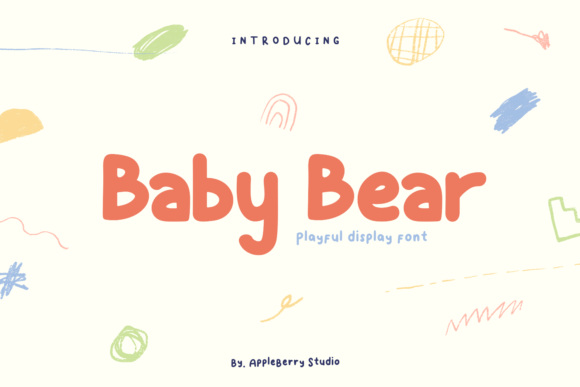
Baby Bear is a display font with a personality all its own. It’s fun, jolly, and incredibly charming — exactly what you need when designing something for children or any project that wants to radiate playfulness and authenticity. Its soft curves and friendly appearance make it ideal for anything from greeting cards to boutique packaging. It’s not just a font; it’s an experience.
Bringing Baby Bear to Life on Real Products
I started by testing Baby Bear on a few different materials. First, I used it for a set of birthday invitation mockups. The font fit perfectly on the front of each card, adding a sense of joy and warmth. Next, I tried it on product tags for my handmade candles. The font looked great on small stickers and even better when printed directly onto the glass jars themselves. It gave the whole line a cohesive look that felt inviting and personal.
Then came the seasonal items. For a holiday collection, I designed some festive tags using Baby Bear. I paired it with a clean sans serif font for the dates and names, which balanced the playful style without overwhelming the design. This combination worked well on gift tags, wrapping paper, and even digital printables I sold online.
Baby Bear also shined on wall art. I created a set of printable wall quotes using the font, and the result was nothing short of magical. The letters flowed so naturally that they felt almost hand-painted. I received several requests from customers who wanted to use them in their homes, which only reinforced how versatile this font could be.
Designing with Baby Bear: Tips and Tricks
When working with Baby Bear, I found that it works best for short phrases, names, titles, and decorative wording. It has a certain charm that makes it stand out, but it’s not meant for long paragraphs of text. That said, it can still be used creatively in headers, logos, and brand elements where visual impact matters more than readability.
If you're planning to use Baby Bear for physical products like stickers, labels, or signage, it's important to check how it looks at smaller sizes. I tested it on a few different cutting machines and found that it handled well on Cricut and Silhouette devices, especially when using high-quality vinyl. Just be sure to adjust your settings for optimal results.
For digital downloads, I recommend pairing Baby Bear with a clean sans serif or simple serif font to create balance. This helps maintain legibility while keeping the overall design visually appealing. I’ve used it alongside fonts like Montserrat or Lato for digital templates, and the contrast was perfect for both web and print.
Before finalizing any project, I always double-check the font’s included styles, alternates, ligatures, swashes, weights, file formats, multilingual support, and commercial font licensing. These details are crucial if you plan to sell physical products, templates, printables, or digital downloads. Baby Bear comes with a variety of options, making it easy to adapt to different design needs.
Exploring Creative Uses for Baby Bear
Baby Bear isn’t limited to just one kind of project. I've used it on everything from wedding invitations to planner pages. For a recent event, I designed a welcome board using Baby Bear for the main title and a script font for the guest names. It added a touch of whimsy that guests loved.
I also experimented with using Baby Bear on tote bags and mugs. The font’s friendly appearance made it a hit with customers looking for something unique. It worked especially well on personalized items, where the name or message became the focal point of the design.
Another favorite use was for boutique tags. I created a set of custom tags for my shop, and the font helped reinforce the brand’s playful and approachable vibe. Customers noticed the consistency across all my products, which helped build recognition and loyalty over time.
Seasonal designs were another area where Baby Bear really stood out. Whether it was for Halloween, Christmas, or Easter, the font brought a sense of joy and nostalgia to each piece. It was especially effective on holiday tags and packaging, where the right font can make all the difference in how a product is perceived.
Overall, Baby Bear has become a go-to font for any project that needs a little extra charm. Its versatility, readability, and emotional appeal make it a valuable addition to any designer’s toolkit. Whether you’re creating for yourself or selling your work, this font has a way of bringing your ideas to life in the most delightful way possible.